

Why the Electric Standing Desk Has Become a Core Feature of Modern Workspaces
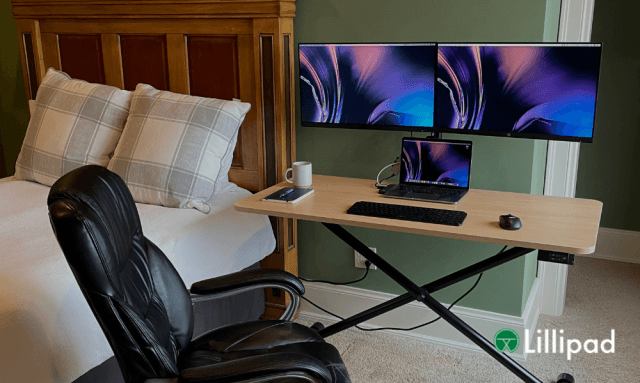
The way people work has changed dramatically over the past decade. As remote work, hybrid schedules, and home offices become increasingly common, individuals and organizations are rethinking how workspaces support productivity, comfort, and long-term use. Furniture is no longer viewed as static infrastructure, but as an active component of how people interact with their work environment. One of the most notable shifts within this evolution has been the growing adoption of the electric standing desk, which offers users the ability to adjust desk height seamlessly throughout the day.
Unlike traditional fixed desks, an electric standing desk allows users to alternate between seated and standing positions with minimal effort. This flexibility has positioned electric standing desks as a practical solution for modern work environments where adaptability, efficiency, and ease of use are increasingly valued.
Lillipad, a provider of modern workspace solutions, operates within this evolving landscape by offering electric standing desk options designed to support flexible work habits and changing workspace needs.
The Rise of Height-Adjustable Workstations
For decades, workspaces were designed around static furniture and long periods of seated work. Desks were built at fixed heights, assuming uniform use patterns and consistent tasks. As work routines became more dynamic, however, this one-size-fits-all approach began to feel outdated.
The electric standing desk emerged as a response to this shift, offering motorized height adjustment that allows users to transition smoothly between sitting and standing positions. With the press of a button, desk height can be raised or lowered to suit posture, task requirements, or personal preference.
This ease of adjustment distinguishes electric standing desks from manual or crank-based alternatives. Motorized systems allow for precise, repeatable positioning, which is especially valuable in environments where desks are adjusted frequently throughout the day.
Why Electric Standing Desks Appeal to Today's Professionals
Professionals today often juggle a wide range of tasks that benefit from different working positions. Computer-based work, video calls, reading, planning, and creative tasks may each require subtle changes in posture or desk height.
An electric standing desk supports these varied needs by offering:
- Smooth, motorized height adjustment
- Consistent positioning through preset controls
- Minimal physical effort to change desk height
- Adaptability for different users or tasks
In shared or hybrid workspaces, electric standing desks also accommodate multiple users. Preset height controls allow individuals to quickly return the desk to a preferred position, reducing setup time and improving efficiency.
Lillipad's electric standing desk offerings align with this demand for adaptable, user-friendly workspace furniture that supports varied workstyles without disruption.
Electric Standing Desks in Home Office Environments
Home offices present a unique set of challenges compared to traditional office settings. Space constraints, multipurpose rooms, and personal preferences all influence furniture decisions. Many individuals now work from dining rooms, spare bedrooms, or compact home offices, making adaptability especially important.
Electric standing desks are increasingly chosen for home offices because they offer:
- Compact designs suitable for limited spaces
- Quiet motor operation that does not disrupt household environments
- Easy adjustment without interrupting workflow
- A clean, modern aesthetic that blends with home décor
As more individuals invest in long-term home work setups, furniture that adapts to different work styles has become a priority. An electric standing desk allows a single piece of furniture to serve multiple purposes throughout the day.
Lillipad addresses this need by focusing on electric standing desk designs that balance functionality with modern design considerations suitable for residential environments.
Ease of Use as a Key Differentiator
One of the primary advantages of an electric standing desk is ease of use. Unlike manual or crank-based desks, electric models allow users to change height quickly, smoothly, and with precision.
This ease encourages more frequent adjustment. When changing desk height requires minimal effort, users are more likely to adjust their workspace as their tasks change. Over time, this adaptability becomes a natural part of the workday.
Features commonly associated with electric standing desks include:
- Push-button or digital control panels
- Height memory presets
- Stable movement during adjustment
- Smooth transitions between positions
These features contribute to a seamless user experience, reducing friction and supporting consistent workspace customization.
Design and Aesthetics in Modern Workspaces
Beyond functionality, design plays an increasingly important role in workspace furniture selection. Modern workspaces often prioritize clean lines, minimal visual clutter, and cohesive design elements.
Electric standing desks are frequently designed with:
- Streamlined frames
- Minimal visible hardware
- Neutral or modern finishes
- Balanced proportions
For many users, the desk serves as a focal point of the workspace. An electric standing desk that complements the surrounding environment can enhance both visual appeal and perceived professionalism.
Lillipad's approach reflects this trend, emphasizing design elements that align with contemporary workspace aesthetics while maintaining functional performance.
The Role of Electric Standing Desks in Flexible Work Cultures
Flexible work cultures prioritize adaptability, autonomy, and personalized work environments. Electric standing desks support these values by allowing users to adjust their workspace independently and without interruption.
In offices that embrace flexible seating or hot-desking, electric standing desks allow each user to quickly customize the desk to their preferred height. This adaptability supports inclusivity across different body types, working styles, and preferences.
As organizations continue to redesign workspaces around flexibility and choice, electric standing desks are increasingly viewed as essential infrastructure rather than optional upgrades.
Long-Term Workspace Investment Considerations
Furniture is increasingly viewed as a long-term investment rather than a short-term purchase. Users selecting electric standing desks often consider how well the desk will adapt as their work habits evolve over time.
Key considerations frequently include:
- Durability of the motor and frame
- Stability at various height levels
- Ease of maintenance and operation
- Compatibility with accessories such as monitor arms or cable management systems
By selecting an electric standing desk, users aim to future-proof their workspace against changing needs, roles, or environments.
Lillipad's positioning reflects this mindset, offering electric standing desk solutions designed for long-term use rather than short-term trends.
The Future of the Electric Standing Desk
As work continues to evolve, the electric standing desk is expected to remain a foundational component of modern workspaces. Its ability to adapt to different tasks, users, and environments aligns with broader trends toward flexible and personalized workspace design.
From home offices to corporate environments, electric standing desks are shaping how people interact with their workspaces on a daily basis, reinforcing the idea that furniture should adapt to the user, not the other way around.
About Lillipad
Lillipad provides modern workspace solutions designed to support flexibility, efficiency, and contemporary work habits. The company offers thoughtfully designed furniture, including electric standing desk options, to meet the needs of evolving work environments.