

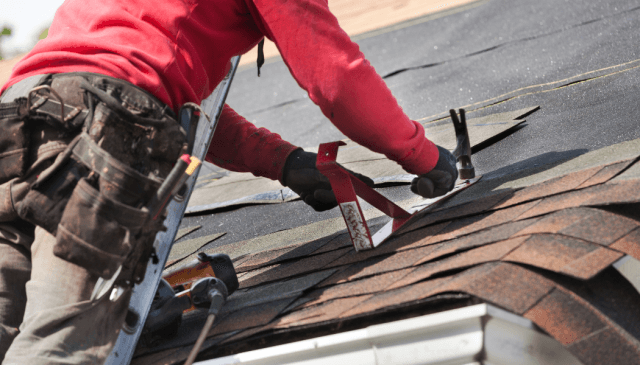
There is a pervasive myth among homeowners that the construction industry goes into hibernation the moment the first snowflake hits the ground. We tend to view winter as a dead season, a time to hunker down inside, crank up the thermostat, and ignore the exterior of our homes until the thaw arrives in April. But your roof doesn't know what season it is. It only knows stress.
In fact, winter is the most physically demanding season for your home's structure. The weight of snow, the expansion of ice, and the biting wind are actively testing every shingle and seal. If you have a small leak or a loose flashing in November, the freeze-thaw cycle of January will turn that minor issue into a major crisis.
While it might seem intuitive to wait for the flowers to bloom before calling a contractor, delaying necessary roofing repairs until spring can actually turn a minor annoyance into a catastrophic structural failure. The smartest homeowners know that winter isn't a time to ignore the roof; it's the time to defend it.
If you are debating whether to make the call now or wait it out, here are the distinct advantages of handling your roofing issues while the temperature is down.
1. Beating the Ice Dam Cycle
The most dangerous enemy your roof faces in the winter isn't the snow itself; it's the ice that forms under it.
An ice dam occurs when heat escapes from your attic, melting the snow on your roof. This water runs down to the cold eaves (the edges), where it refreezes. Over time, this creates a ridge of ice that blocks melting water from draining off the roof. That water has nowhere to go but backward—up under your shingles and into your house.
Calling a roofer in the winter allows you to address the root cause of this: ventilation and insulation.
A repair crew can't just chip away the ice (which is a temporary fix); they can identify where the heat is escaping. They can seal the bypasses in the attic or add ventilation to keep the roof deck cold. Fixing this in January prevents water from backing up into your walls in February. If you wait until spring, the water damage to your drywall and insulation will already be done.
2. The Off-Season Scheduling Advantage
Spring and summer are the "wild west" of the roofing industry. Every homeowner who notices a leak during the winter calls at the exact same time—usually the first warm week of March.
This creates a massive bottleneck. You might find yourself on a six-week waiting list, competing for attention against full roof replacements and new construction projects.
In the winter, the pace changes.
- Availability: Contractors generally have more flexibility in their schedules.
- Attention: You aren't just another number on a clipboard. Crews can often get to you within days, not weeks.
- The A-Team: In the busy season, companies sometimes have to scale up with temporary labor. In the winter, the people working are the core, full-time, most experienced veterans of the crew. You are getting the best hands on your house.
3. Protecting the Interior
A roof leak is never just a roof leak. It is a "whole house" problem. Water that enters through a compromised shingle doesn't stay in the attic. It travels. It follows gravity down rafters, soaks into fiberglass insulation (rendering it useless), pools on drywall ceilings, and runs down the framing inside your walls.
If you wait three months for better weather, that moisture sits in the dark, warm cavity of your walls. This is the perfect recipe for mold.
Mold remediation is significantly more expensive than a roof patch. By fixing the breach immediately—even in the cold—you are stopping the water intrusion before it can destroy the interior ecosystem of your home. You are paying for a repair, not a restoration.
4. Improving Energy Efficiency Immediately
We often complain about high heating bills in the winter, blaming the utility company or an old furnace. But often, the culprit is the roof.
Your roof system is the lid on your home's heat. If you have damaged shingles, rotted decking, or poor seals around your chimney, you are essentially trying to heat the neighborhood. Warm air rises, and if your roof is compromised, that expensive heat is escaping right out the top.
A winter repair often involves tightening up these seal points.
- Chimney Flashing: Resealing the metal around the chimney stops drafts.
- Vent Boots: Replacing cracked rubber boots on plumbing vents stops heat loss.
By fixing these issues in December or January, you get an immediate return on investment in the form of lower heating bills for the rest of the season.
5. It's Safer for the Homeowner
Finally, there is the matter of personal safety. Many homeowners try to limp along through the winter by doing temporary DIY fixes—climbing up a ladder to rake snow off the roof or trying to chip ice out of a gutter. Do not do this.
A roof in winter is a slick, dangerous environment. Professionals have the harness systems, the specialized boots, and the experience to navigate an icy pitch safely. They know how to handle materials that might be brittle in the cold (like asphalt shingles) without breaking them.
Outsourcing this risk is the smartest move you can make. Let the pros handle the heights and the ice so you can stay safely on the ground.
The idea that you can't fix a roof in the winter is a relic of the past. Modern sealants and techniques allow professional crews to work effectively year-round. Don't let the calendar dictate the safety of your home. If you see a leak, a missing shingle, or an ice dam forming, the right time to call is right now.